The Cost of Poor Posture You Don’t See Until Later in Life

Most of us have heard "sit up straight" at some point in our lives. But very few of us truly understand what's happening inside our bodies when we don't. Poor posture isn't just about looking slouched at your desk or hunching over your phone — it's a slow, compounding process that silently affects your muscles, joints, spine, and nervous system over time. The real cost of poor posture is rarely felt today. It's felt years from now, and often in ways that seem completely unrelated to how you sat in front of a computer.
Here in Weston, FL, the team at Freedom Family Chiropractic sees this pattern regularly. People come in wondering why their neck hurts, why their lower back is suddenly stiff every morning, or why they feel older than their age. In many cases, the answer traces back to postural habits that have been building up for decades. The good news? Understanding the problem is the first step toward changing it.
What Is Poor Posture, Exactly?
Poor posture refers to the habitual misalignment of the body's structures — spine, muscles, and joints — in ways that place uneven stress on the musculoskeletal system. In simple terms, it's when your body consistently moves or rests in positions it wasn't designed to hold for long periods. Over time, this creates compensations that quietly accumulate into pain, dysfunction, and reduced quality of life.
The Hidden Damage Happening Right Now
The frustrating truth about poor posture is that it rarely hurts in the moment. You're not going to feel a twinge every time you crane your neck forward toward a screen. The damage accumulates gradually — like interest on a debt you didn't know you were carrying.
When your head shifts forward even a couple of inches, the effective weight your cervical spine must support increases dramatically. Your head weighs roughly 10 to 12 pounds in a neutral position. But as it shifts forward, the mechanical load on the neck increases substantially, placing strain on muscles, ligaments, and discs that simply weren't built for that kind of sustained pressure. This is often referred to as "tech neck" or forward head posture, and it's increasingly common in people of all ages.
The lower back tells a similar story. Prolonged sitting — especially with a rounded lumbar spine — flattens the natural curves of the spine, compresses spinal discs, and weakens the stabilizing muscles around the core and pelvis. Over months and years, this creates a perfect environment for disc degeneration, joint irritation, and chronic muscle tightness that becomes harder and harder to reverse.
The key word here is gradual. These changes don't announce themselves. They quietly build until one day, something that should feel minor — bending over to pick something up, turning your head to check a blind spot — suddenly becomes a sharp reminder that something in your body has been off-balance for a long time.
Long-Term Effects of Poor Posture
Poor posture, left unaddressed, can contribute to a surprisingly wide range of long-term health issues. Most people associate it with back pain, and yes — that connection is well-established. But the downstream effects extend much further than that.
Spinal degeneration is one of the most significant long-term concerns. When the spine is consistently held in improper alignment, certain areas absorb more force than they should. Over time, this accelerates the natural wear-and-tear process in the intervertebral discs and facet joints. Research published in spine-related literature consistently suggests that poor biomechanics are a major contributing factor to early-onset degenerative disc changes.
Muscle imbalances are another lasting consequence. When certain muscles are chronically shortened — like the chest muscles in someone who rounds their shoulders forward — and others are chronically overstretched and weakened — like the mid-back muscles — the body starts to lose its ability to hold itself in proper alignment even when you're trying to sit or stand correctly. This is why simply "trying to sit up straight" rarely works on its own after years of poor posture. The muscles have adapted to the wrong position.
Joint issues, particularly in the hips, knees, and even ankles, can also develop as a result of poor posture. When pelvic alignment is off, it changes how force is transmitted down through the legs during walking and standing. Over years, this altered mechanics can contribute to uneven wear on the hip and knee joints. Many patients at Freedom Family Chiropractic in Weston are surprised to learn that their hip discomfort might be connected to how they've been holding their spine for years.
Finally, there's the breathing and energy connection. A rounded upper back and forward head posture physically compress the chest cavity, reducing the ability of the diaphragm and lungs to fully expand. Evidence in respiratory research suggests that chronic forward-flexed postures can reduce lung capacity and contribute to fatigue, reduced endurance, and even heightened stress responses over time.
How Poor Posture Affects More Than Just Your Back
One of the most overlooked aspects of postural health is its relationship to the nervous system. Your spine isn't just a structural support column — it's a protective housing for your spinal cord, and it's the pathway through which nerve signals travel between your brain and the rest of your body.
When spinal alignment is compromised over time, it can place subtle pressure or irritation on the surrounding nerves and nerve roots. This is sometimes felt as tingling, numbness, or radiating discomfort down the arms or legs — but more often, it creates a slower, harder-to-define interference in how the nervous system communicates. Digestive issues, headaches, and even disrupted sleep are complaints that Dr. David Ridos at Freedom Family Chiropractic often hears from patients who have never connected those symptoms to their spinal health.
This is a core principle of chiropractic philosophy: the spine and nervous system are deeply interconnected, and caring for one means caring for the other. Poor posture doesn't just hurt your back. Over time, it can subtly affect the efficiency of the entire nervous system — and by extension, your overall sense of well-being.
It's also worth noting the psychological dimension. Research in the field of embodied cognition — the study of how the body's posture and movement influence mental states — suggests that chronic slouching may be associated with lower mood, reduced energy, and decreased confidence over time. The relationship between how we carry ourselves physically and how we feel emotionally is more connected than most people realize.
How Chiropractic Care Fits Into Postural Health
This is where chiropractic care becomes a genuinely valuable part of the conversation. Chiropractic is a non-invasive, drug-free approach to musculoskeletal and spinal health — and addressing postural dysfunction is squarely within that scope.
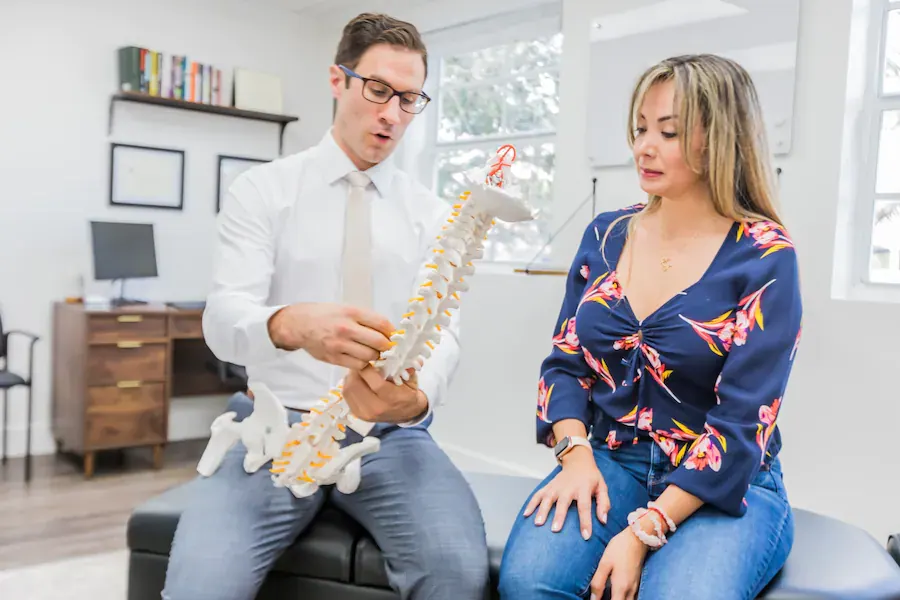
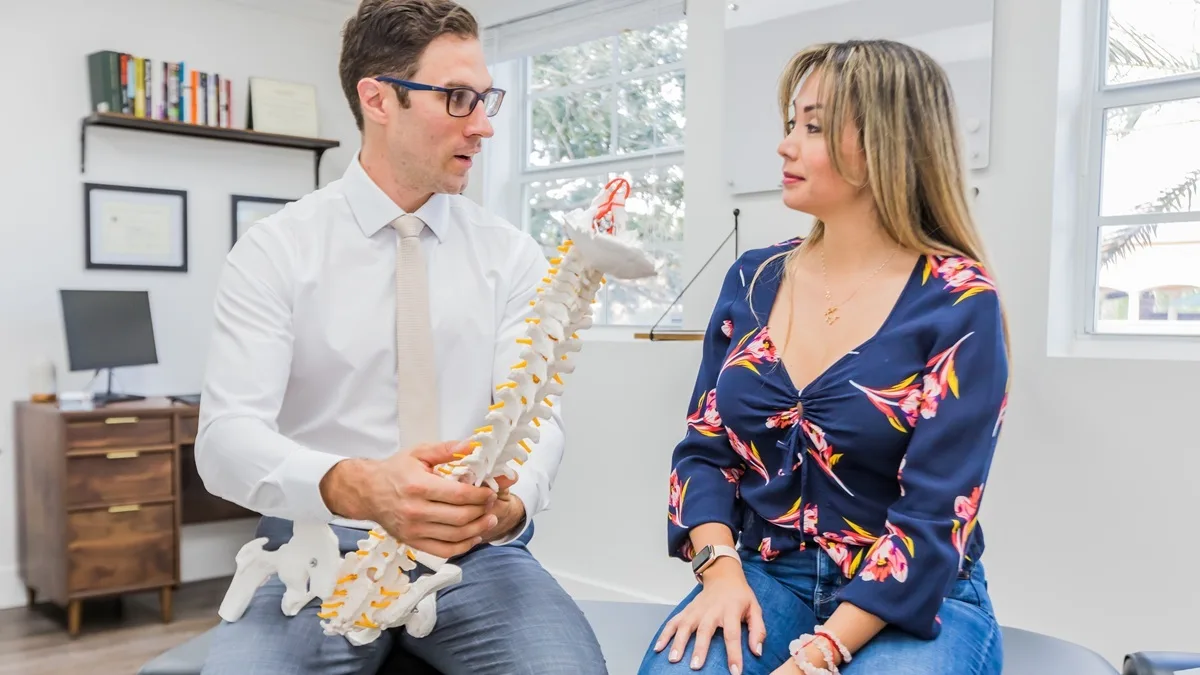
At Freedom Family Chiropractic, Dr. David Ridos evaluates the spine and posture comprehensively to identify areas of misalignment, restricted movement, and compensatory patterns that have developed over time. The goal isn't just to relieve discomfort in the short term. It's to identify the root biomechanical patterns that are driving your symptoms and work to correct them at the source.
Chiropractic adjustments help restore proper movement to spinal segments that have become restricted or misaligned. This can reduce nerve irritation, relieve muscle tension, and begin to create the conditions for better posture and function. But chiropractic care doesn't stop at the adjustment table. Corrective care often involves guidance on posture, targeted exercises to strengthen weakened muscles, ergonomic recommendations for your home and work environment, and lifestyle education to support lasting change.
The American Chiropractic Association and organizations like the National Institutes of Health's National Center for Complementary and Integrative Health recognize chiropractic care as a valuable conservative approach to musculoskeletal conditions — including those rooted in poor posture and spinal misalignment. It's the kind of proactive, non-surgical care that many people in the Weston, FL community are looking for before their postural issues progress into something more serious.
Practical Tips for Better Postural Habits
Understanding the problem is important, but putting better habits into practice is where real change happens. Here are some straightforward, realistic recommendations to start supporting your postural health today.
First, pay attention to your workstation setup. If your computer monitor is below eye level, you're likely looking down all day — a significant contributor to forward head posture. Raising your screen to eye height is one of the simplest and most impactful ergonomic adjustments you can make. Your chair should also support the natural curve of your lower back, and your feet should rest flat on the floor.
Second, move more frequently throughout your day. The human body was not designed for prolonged static sitting. Setting a reminder to stand, stretch, or take a short walk every 30 to 45 minutes can meaningfully reduce the cumulative strain of sitting on your spine and muscles. Even brief movement breaks make a significant difference over the course of a workday.
Third, be mindful of your phone habits. Looking down at a phone for extended periods is a primary driver of tech neck in adults and children alike. Try bringing the phone up to eye level rather than bending your neck down to meet it. It's a small change that protects your cervical spine from substantial accumulated stress over the years.
Fourth, consider incorporating movements that counteract the forward-flexed positions most of us spend our days in. Gentle chest-opening stretches, chin tucks, and exercises that activate the muscles of the mid and upper back can begin to reverse the muscle imbalances that poor posture creates. Your chiropractor can guide you on specific movements that are appropriate for your particular posture pattern.
When to See a Chiropractor About Your Posture
Many people wait until they're in significant pain before seeking care. But when it comes to postural health, earlier is always better. If you've been sitting at a desk for years, you're regularly on your phone, or you've noticed that your head seems to sit forward of your shoulders when you look in a mirror, those are worthwhile reasons to get your spine evaluated — even without significant pain.
You should also consider chiropractic evaluation if you're experiencing recurring neck or shoulder tension, frequent headaches, stiffness in the morning that takes time to loosen up, or a feeling of fatigue that seems disproportionate to your activity level. These are often early signals that the body is compensating for structural imbalances that haven't yet become outright painful.
There are also red flags that warrant prompt medical attention rather than chiropractic care as a first step. These include severe or sudden onset pain, loss of bladder or bowel control, significant weakness or numbness in the limbs, or pain following a trauma or fall. In those situations, it's important to seek medical evaluation right away. A good chiropractor will always refer out when the situation calls for it, and Dr. David Ridos takes that responsibility seriously as part of his commitment to whole-patient care in the Weston community.
Postural Habits: What to Avoid vs. What to Do Instead
Poor Postural Habit | Why It's Harmful | Better Alternative |
|---|---|---|
Looking down at your phone for long periods | Increases compressive load on the cervical spine; contributes to tech neck | Raise the phone to eye level; take frequent breaks |
Sitting with a rounded lower back | Flattens lumbar curve; compresses discs; weakens stabilizing muscles | Use lumbar support; adjust chair height so feet are flat on the floor |
Sleeping on your stomach | Forces the neck into prolonged rotation; strains cervical and lumbar spine | Sleep on your back or side with appropriate pillow support |
Carrying a bag on one shoulder consistently | Creates uneven loading of the spine and shoulder girdle; contributes to muscle imbalances | Alternate shoulders regularly or use a backpack with even weight distribution |
Sitting still for hours without movement breaks | Reduces circulation, stiffens muscles and joints, increases disc pressure | Set a timer to stand or walk every 30–45 minutes throughout the workday |
Myths vs. Facts About Poor Posture
Myth: Poor posture only causes back pain.
Fact: While back pain is a common outcome, poor posture can also contribute to headaches, neck stiffness, jaw tension, breathing inefficiency, fatigue, and over time, even changes in spinal structure. The effects extend well beyond the back itself.
Myth: If it doesn't hurt, my posture is fine.
Fact: Pain is often the last signal the body sends, not the first. Structural changes, muscle imbalances, and spinal misalignments can develop silently for years before they become painful. The absence of pain does not mean the absence of a problem.
Myth: Improving posture just means reminding yourself to sit up straight.
Fact: Willpower alone rarely corrects poor posture because the underlying muscle imbalances, restricted joints, and habitual movement patterns need to be addressed first. Sustainable postural improvement usually requires a combination of spinal care, corrective exercises, and ergonomic adjustments — not just conscious effort.
Myth: Poor posture is just a cosmetic issue.
Fact: Poor posture is a biomechanical and neurological concern with real health implications. It affects how load is distributed across the spine and joints, how the nervous system functions, and how the body ages over time. It is not simply about appearance.
Myth: Only older people need to worry about posture.
Fact: Postural problems are increasingly common in children and young adults due to prolonged screen use and sedentary lifestyles. The habits formed early in life have the greatest long-term impact. Addressing posture in younger years is one of the most meaningful investments in future health.
Final Thoughts from Freedom Family Chiropractic in Weston, FL
Your posture is a reflection of your body's history — the hours at the desk, the way you sleep, the way you carry stress, the sports you played, and the screens you've been looking at for years. Poor posture isn't a character flaw, and it's not something to feel embarrassed about. It's a very human response to the way modern life is structured. But it does deserve attention, because the costs compound quietly and tend to show up when we least expect them.
At Freedom Family Chiropractic, Dr. David Ridos and the team are here to help the Weston community understand their bodies, take proactive steps toward better spinal health, and address the issues that have been quietly building over time. Whether you're starting to notice some stiffness, you've been dealing with recurring tension, or you simply want to invest in your health before problems develop — you're in the right place.
Weston, FL is a community full of active, health-conscious families, and good postural health is one of the most foundational things you can do for your long-term quality of life. If you've been thinking about getting your spine checked or learning more about what your posture might be telling you, don't wait for the pain to make the decision for you.
Frequently Asked Questions About Poor Posture
Can poor posture be corrected in adults, or is it too late?
Postural improvement is possible at any age, though it takes more time and consistent effort the longer the patterns have been established. With the right combination of chiropractic care, corrective exercises, and habit adjustments, meaningful improvement is achievable for most adults.
How long does it take to see improvement in posture with chiropractic care?
The timeline varies depending on how long the postural patterns have been present, the degree of muscle imbalance, and how consistently a person implements the recommended changes. Some people notice improvements in how they feel within a few weeks, while structural correction typically takes longer.
Is poor posture a cause of headaches?
Yes, forward head posture and upper cervical misalignment are recognized contributors to tension-type headaches and cervicogenic headaches. When the neck muscles are chronically strained due to poor posture, referred pain and tension into the head is a common result.
What is tech neck, and is it the same as poor posture?
Tech neck is a specific pattern of poor posture caused by the repeated forward bending of the neck while using smartphones, tablets, or computers. It is a subset of poor posture with its own distinct strain pattern, particularly affecting the cervical spine and upper back.
At what age should children have their posture evaluated?
There is no specific age that's too early to be mindful of posture, especially as children begin using devices at younger ages. If a parent notices consistent slouching, uneven shoulder height, or a child complaining of back or neck discomfort, a chiropractic evaluation is a reasonable and safe step.
Does poor posture affect sleep quality?
Indirectly, yes. Chronic muscle tension, spinal discomfort, and nerve irritation related to poor posture can all interfere with sleep quality. Additionally, poor sleeping posture itself can compound the postural problems that develop during waking hours, creating a cycle that's worth addressing comprehensively.
TL;DR — Key Takeaways
Poor posture creates slow, compounding damage to the spine, joints, muscles, and nervous system — often without noticeable pain until years later.
Long-term effects include spinal degeneration, chronic muscle imbalances, joint wear, reduced breathing capacity, and nervous system interference.
Simple habit changes — like adjusting your workstation, taking movement breaks, and being mindful of phone use — can make a meaningful difference over time.
Chiropractic care offers a non-invasive, drug-free approach to identifying and addressing the root causes of postural dysfunction before they become serious.
Dr. David Ridos and the team at Freedom Family Chiropractic in Weston, FL are available to evaluate your spinal health and help you build a foundation for better posture and long-term well-being.